

If you run a local business, you want customers in your neighborhood to find you. Whether you own a coffee shop, a plumbing service, or a boutique clothing store, visibility in local search results is crucial. One of the most effective ways to climb those local search rankings is by building citations. These digital mentions of your business act as verification for search engines, boosting your credibility and helping you connect with nearby customers.
Think of citations as votes of confidence from across the web. The more consistent and authoritative these votes are, the more Google trusts that your business is legitimate and relevant to local searchers.
This guide will walk you through everything you need to know about building citations to improve your local SEO in 2025. We will cover what citations are, why they matter, and provide actionable strategies to build a strong citation profile that gets you noticed.

What Exactly Are Local SEO Citations?
A local citation is any online mention of the name, address, and phone number (NAP) of a local business. Citations can appear on local business directories, websites, apps, and social media platforms. They serve as a fundamental piece of local search engine optimization, helping search engines like Google verify that your business exists, is located where you say it is, and is operational.
Citations come in two main forms:
1. Structured Citations: These are the most common type. They list your business information in a structured, consistent format, typically on business directory sites like Yelp, Yellow Pages, and Foursquare. Your business name, address, and phone number (NAP) are displayed clearly, making it easy for search engines to crawl and understand.
2. Unstructured Citations: These are more informal mentions of your business. They might appear in a blog post, a news article, or a forum discussion. For example, a local food blogger might write, "We stopped by Joe's Pizza on Main Street for the best slice in town." Even without a full address and phone number, this mention can still contribute to your local SEO.
For your citations to be effective, they must be consistent. This is often referred to as NAP consistency. Any variation in your business name (e.g., “Main St. Deli” vs. “Main Street Delicatessen”), address, or phone number can confuse search engines and dilute the power of your citations.
Why Citations Are a Pillar of Local SEO
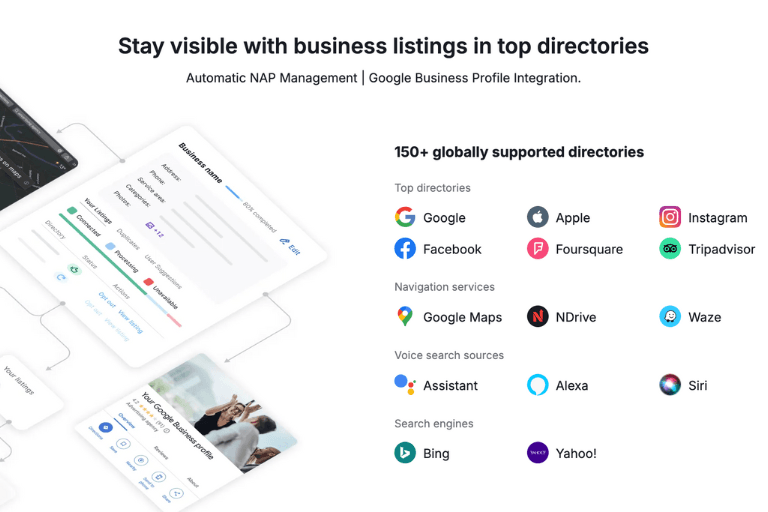
Citations are a foundational ranking factor for local search. When Google’s algorithm evaluates which businesses to show for a “near me” search, it looks for signals of prominence, relevance, and proximity. Citations directly impact your business’s perceived prominence and trustworthiness.
Here’s why a solid citation strategy is non-negotiable for your local SEO efforts:
Builds Trust with Search Engines: Consistent NAP information across multiple reputable websites validates your business's existence and location. This tells Google that you are a legitimate entity, increasing its confidence in showing your business in the local pack (the box of three business listings that appears at the top of many local search results).
Improves Local Rankings: More high-quality citations often correlate with higher local search rankings. By listing your business on directories relevant to your industry and location, you send strong signals to search engines that your business is a key player in that specific area.
Increases Online Visibility and Discovery: Citations don't just help with search engines; they also help real customers find you. People use directories like Yelp, TripAdvisor, and industry-specific sites to discover new businesses. Each citation is another potential path for a customer to find your services.

A Step-by-Step Guide to Building Citations
Building a robust citation profile takes time and a clear strategy. You can’t just submit your information to a few random sites and expect results. Follow these steps to build citations that genuinely boost your local SEO.
Step 1: Establish Your Foundational NAP
Before you start building any citations, you must finalize your official business Name, Address, and Phone number. This is your “master NAP,” and it must be used consistently everywhere.
Name: Decide on the exact business name you will use. Is it "Inc." or "Incorporated"? Do you include "LLC"? Choose one and stick with it.
Address: Write out your full address exactly as it should appear. Use consistent abbreviations (e.g., "St." vs. "Street," "Ste." vs. "Suite").
Phone Number: Use a local phone number with a local area code. This reinforces your connection to the geographic area.
Once you have your official NAP, create a spreadsheet or document to keep this information handy. Include other key details as well, such as your website URL, business hours, business categories, and a short description. This will ensure accuracy as you build out your citations.
Step 2: Conduct a Citation Audit
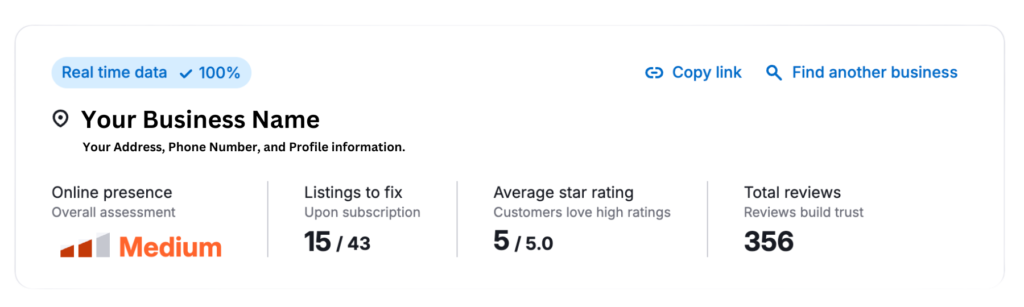
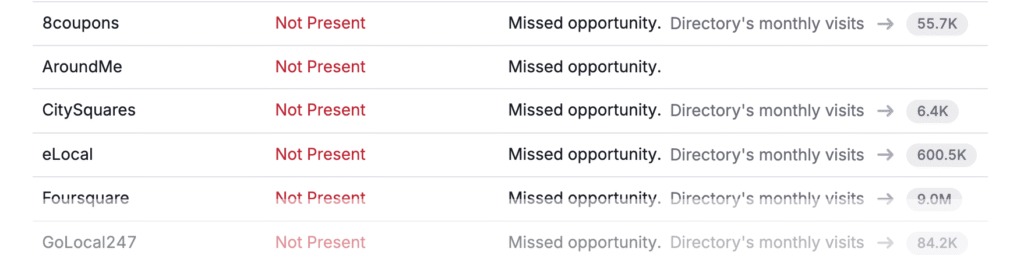
Next, you need to see where your business is already listed and check for inconsistencies. A citation audit helps you identify existing correct citations, find and fix incorrect ones, and spot duplicate listings.
You can perform a manual audit by searching for your business name and variations of it on Google. However, this can be incredibly time-consuming. This is where tools become invaluable.
Services like SEMRUSH or Yext can automatically scan the web for mentions of your business. They provide detailed reports showing where your business is listed, if the NAP is consistent, and where duplicate listings exist. These tools can save you hours of manual work and give you a clear roadmap for your cleanup efforts.
During your audit, focus on:
Correcting inaccuracies: Update any listings with old addresses, wrong phone numbers, or incorrect business names.
Closing duplicates: Duplicate listings can split your SEO authority and confuse customers. Claim and remove any duplicate profiles you find.
Step 3: Build Citations on Core Platforms for Your Local SEO
With a clean and consistent NAP, it’s time to build new citations. Start with the most important and authoritative platforms. These are the “table stakes” for local SEO.
Google Business Profile: This is the most important citation of all. Claim and fully optimize your Google Business Profile (GBP). Fill out every section, including services, photos, hours, and business description.
Apple Maps: Many iPhone users rely on Apple Maps for directions and discovery. Ensure your business is listed and accurate here.
Bing Places for Business: Don't forget Microsoft's search engine. Bing Places is the equivalent of GBP and is easy to set up.
Major Data Aggregators: These companies supply business data to a vast network of other sites and apps. Getting listed with them distributes your NAP information far and wide. The main players include Data Axle, Neustar Localeze, and Foursquare. Submitting to these aggregators can result in dozens or even hundreds of citations across their network.
Top-Tier Directories: Focus on well-known, high-authority sites like Yelp, Yellow Pages, and Dunn & Bradstreet.

Step 4: Find Industry-Specific and Niche Directories
Once you’ve covered the foundational platforms, the next step is to find directories that are specific to your industry and location. These niche citations are highly valuable because they signal your relevance within a specific field.
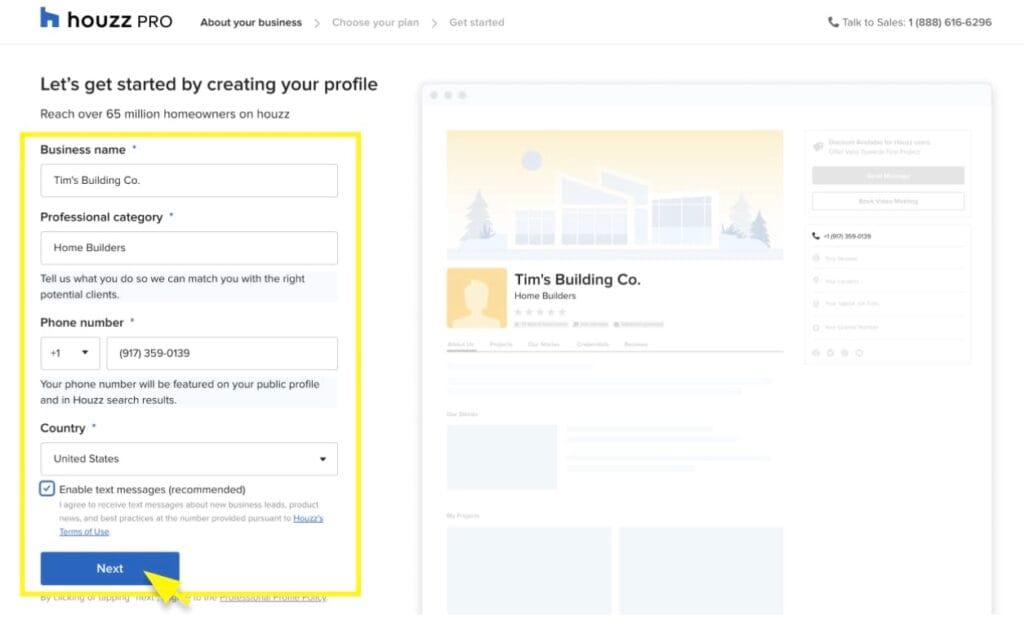
Industry-Specific Sites: If you're a contractor, look for directories like HomeAdvisor or Houzz. If you run a restaurant, make sure you're on TripAdvisor and OpenTable. A quick Google search for "[your industry] business directory" will reveal many options.
Local Directories: Seek out websites specific to your city or region. This could be your local Chamber of Commerce website, a neighborhood business association, or a local online newspaper's directory. These citations strongly reinforce your geographic relevance.
Building citations on these niche sites shows Google that you are an authority not just in your location, but also in your specific field of business.
Step 5: Leverage Unstructured Citations
Don’t forget about unstructured citations. These mentions can be powerful because they often come from trusted, high-authority sources and appear more natural.
Here are a few ways to earn unstructured citations:
Local Press and Blogs: Sponsor a local event, host a charity drive, or do something newsworthy. Reach out to local bloggers, journalists, and news outlets. A feature story or even a brief mention can result in a valuable citation and backlink
Supplier and Partner Websites: Ask businesses you work with to list you as a partner or local retailer on their website.
Guest Posting: Write a guest post for a relevant local blog. You can often include a mention of your business and location in your author bio.
Managing Citations with Automation: Yext vs. BrightLocal
Manually building and managing hundreds of citations is a massive undertaking. This is why many businesses turn to citation management services. Two of the most popular platforms are Yext and BrightLocal.
Yext: Yext operates on a “scan and lock” model. You enter your business information into their dashboard, and Yext pushes it out to its network of over 100 directories and platforms. It then “locks” these listings, preventing unauthorized changes.
This is a fast way to build a large number of consistent citations. The main downside is that if you cancel your subscription, Yext may revert your listings, and you could lose the citations you built.
BrightLocal: BrightLocal offers a more manual, but permanent, approach. You can use their service to run a citation audit and then choose which directories you want them to submit to. Their team manually creates these listings for you.
The listings are permanent, meaning you own them even if you stop using BrightLocal. This can be more cost-effective in the long run and gives you more control over where you are listed.
Choosing between them depends on your budget and goals. Yext is great for speed and broad distribution, while BrightLocal offers a more deliberate and permanent solution.
Conclusion: Make Citation Building an Ongoing Process
Building citations is not a one-and-done task. It’s an ongoing part of a healthy local SEO strategy. New directories pop up, business information can be changed by users, and duplicate listings can reappear.
To stay on top, dedicate time each quarter to auditing your citations and looking for new opportunities. Use tools to monitor your listings for inaccuracies and keep your NAP information consistent across the web.
By investing in a consistent and strategic citation-building effort, you are building a strong foundation for your local search presence. You’ll increase your visibility, build trust with search engines, and, most importantly, connect with the local customers who are looking for the exact services you provide.
Local SEO Frequently Asked Questions
Local SEO is the process of optimizing your online presence to attract more business from relevant local searches. It’s essential because it helps your business appear in search results when potential customers in your area are looking for the services you offer. A strong local SEO strategy increases visibility, builds trust, and leads to higher sales and foot traffic.
To improve your Google Business Profile (GBP):
Ensure your business name, address, and contact information are accurate and consistent.
Add high-quality photos of your business.
Use local keywords in your description.
Regularly update your profile with posts, offers, or events.
A local SEO agency can help ensure your GBP is fully optimized for maximum impact.
NAP refers to your business’s Name, Address, and Phone number. Search engines rely on consistent NAP data across directories and websites to verify your legitimacy. Any discrepancies can confuse search engines and hurt rankings. Tools like Moz Local or a local SEO agency can help audit and correct inconsistencies.
Keywords help search engines understand what your business offers and who it serves. Local keywords, such as “plumber in Houston” or “best bakery in Miami,” target a specific audience in your area. Including these keywords in your website content, meta descriptions, and headings ensures your business appears in relevant local searches.
Citations are online mentions of your business’s NAP information on directories like Yelp, Yellow Pages, and TripAdvisor. They strengthen credibility and improve local search rankings, especially when they come from authoritative, relevant sources. A local SEO agency can identify and manage citation opportunities for your business.
Get Started with Supremium Ads
Want to attract more local customers and grow your business? Supremium Ads is here to help. With our expertise in local SEO and data-driven strategies, we can help your business dominate local search results. Contact us today to get started and watch your local SEO rankings soar!



1 thought on “How to Build Citations to Boost Local SEO in 2025”
Good post! We will be linking to this particularly great post on our site. Keep up the great writing